Blown-In vs. Spray Foam Home Insulation: Which Is Right for Your Cleveland Home?
Blown-In vs. Spray Foam Home Insulation: Which Is Right for Your Cleveland Home?
Choosing the right home insulation type is one of the most impactful decisions a Cleveland homeowner can make, and this article explains how blown-in and spray foam insulation compare so you can pick the right fit for your house. Cleveland, OH, sits in a humid continental climate zone, where winters regularly push into the single digits and lake-effect snow from Lake Erie can pile up fast. With that kind of cold, under-insulated homes lose heat quickly and drive energy bills higher every month. Understanding how each home insulation option performs in these specific conditions helps homeowners across Cuyahoga County make a smarter, more informed investment.
What Is Blown-In Insulation and How Does It Work?
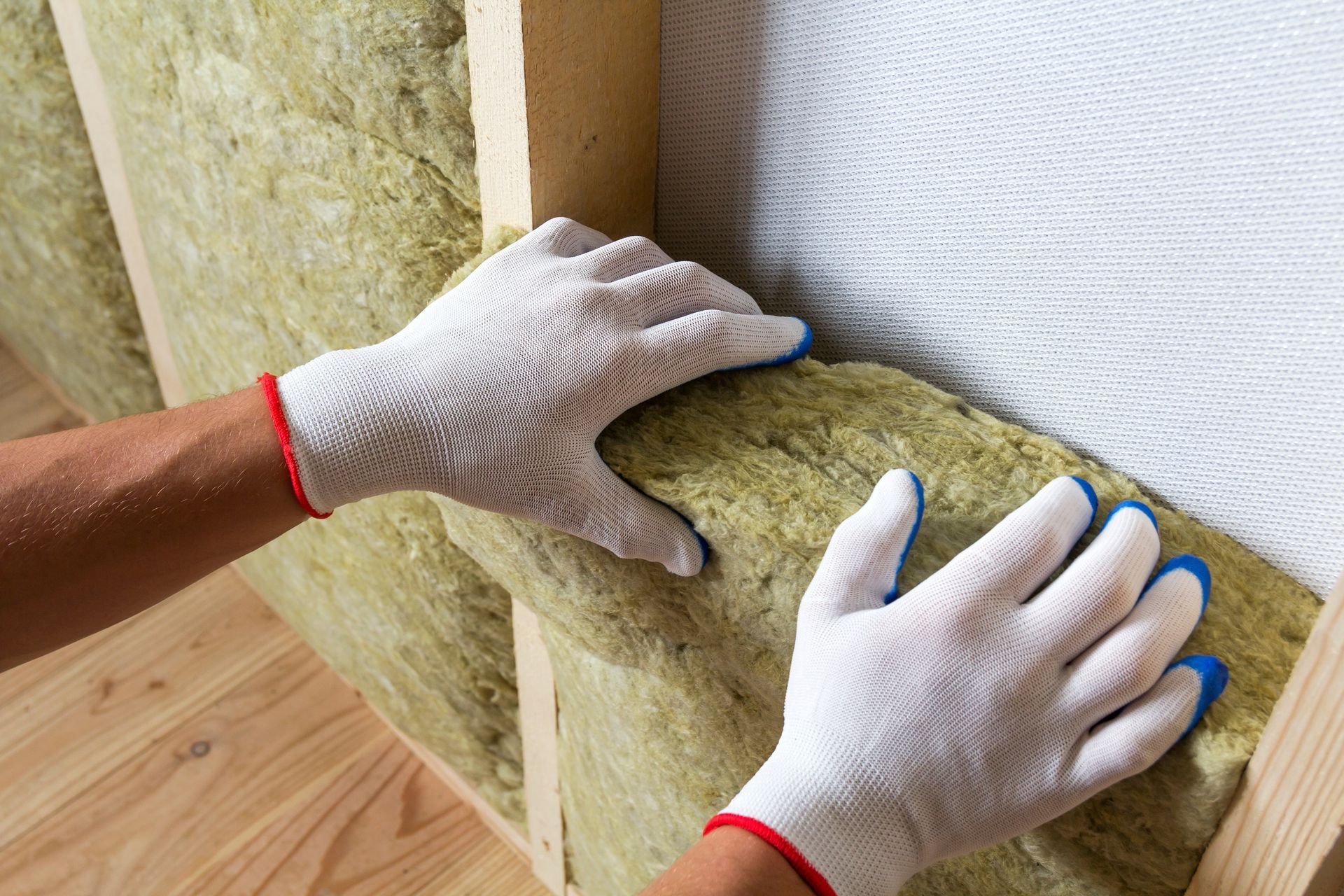
Blown-in insulation is a loose-fill material installed with a blower machine. Installers use a hose to blow the material into attic floors, wall cavities, and crawl spaces, filling gaps and voids that batt insulation often cannot reach. There are two common types: fiberglass and cellulose.
Fiberglass blown-in insulation is made from fine glass fibers and resists moisture absorption well, which matters in Cleveland, OH, where humidity and freeze-thaw cycles can stress a home's building envelope year-round. Cellulose is made from recycled paper treated with fire retardants and can settle slightly over time, which may reduce its R-value in older Cuyahoga County homes if not properly topped off.
Best Applications for Blown-In Insulation
- Unfinished attics, where home insulation can be blown in freely to reach the recommended depth.
- Existing finished walls in older Cleveland homes, where a small hole is drilled and the material is blown into the cavity.
- Crawl spaces with open joist bays that need a cost-effective thermal barrier.
- Homes in the Clark-Fulton or Old Brooklyn neighborhoods where pre-1960s construction often left wall cavities bare.
Blown-in fiberglass can typically achieve an attic R-value up to R-49 in about 17.5 inches of depth, which aligns well with the higher R-value recommendations for Northeast Ohio's cold climate zone. Learn more about what to expect from the home insulation installation process.
How Does Spray Foam Compare for Cleveland Homes?
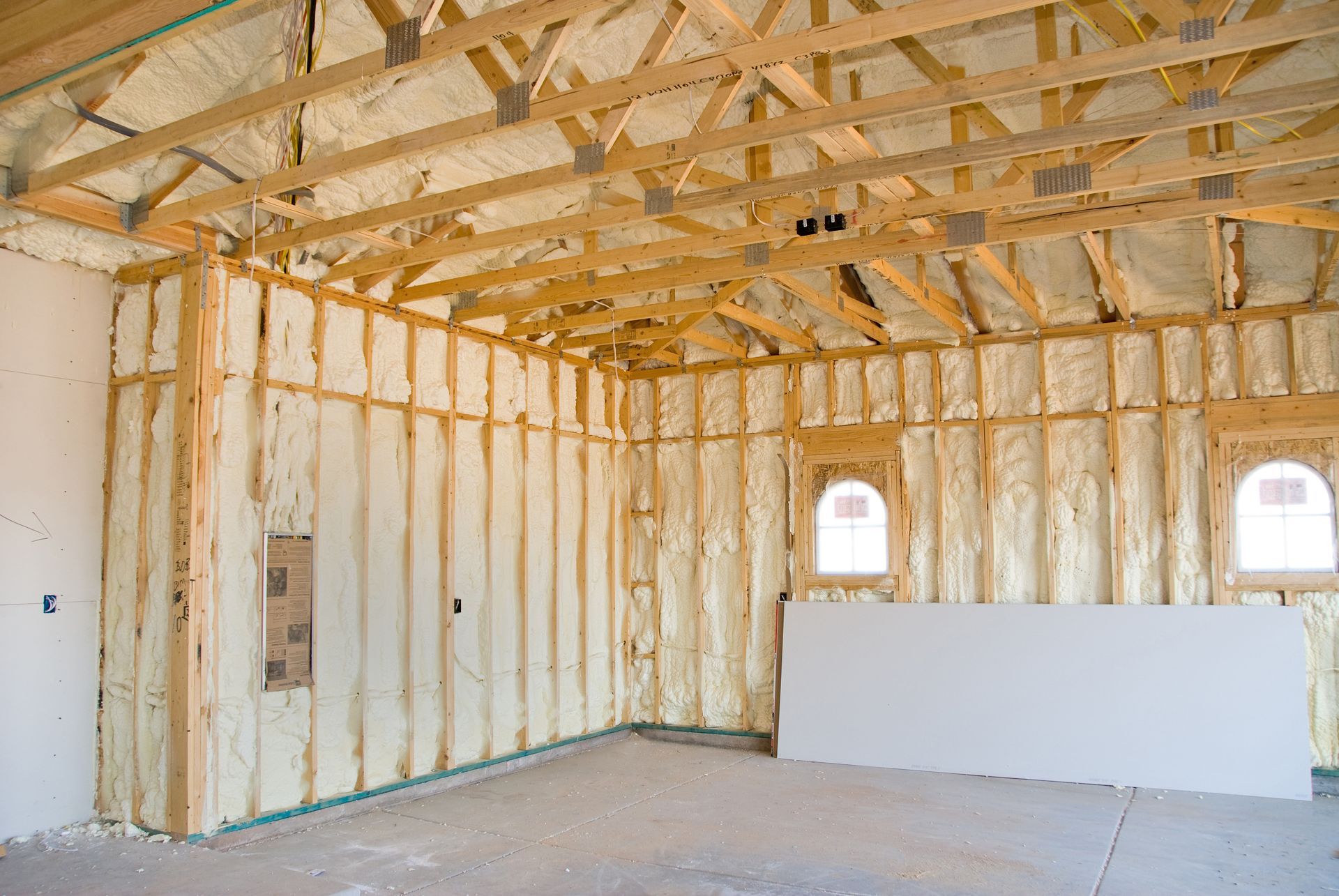
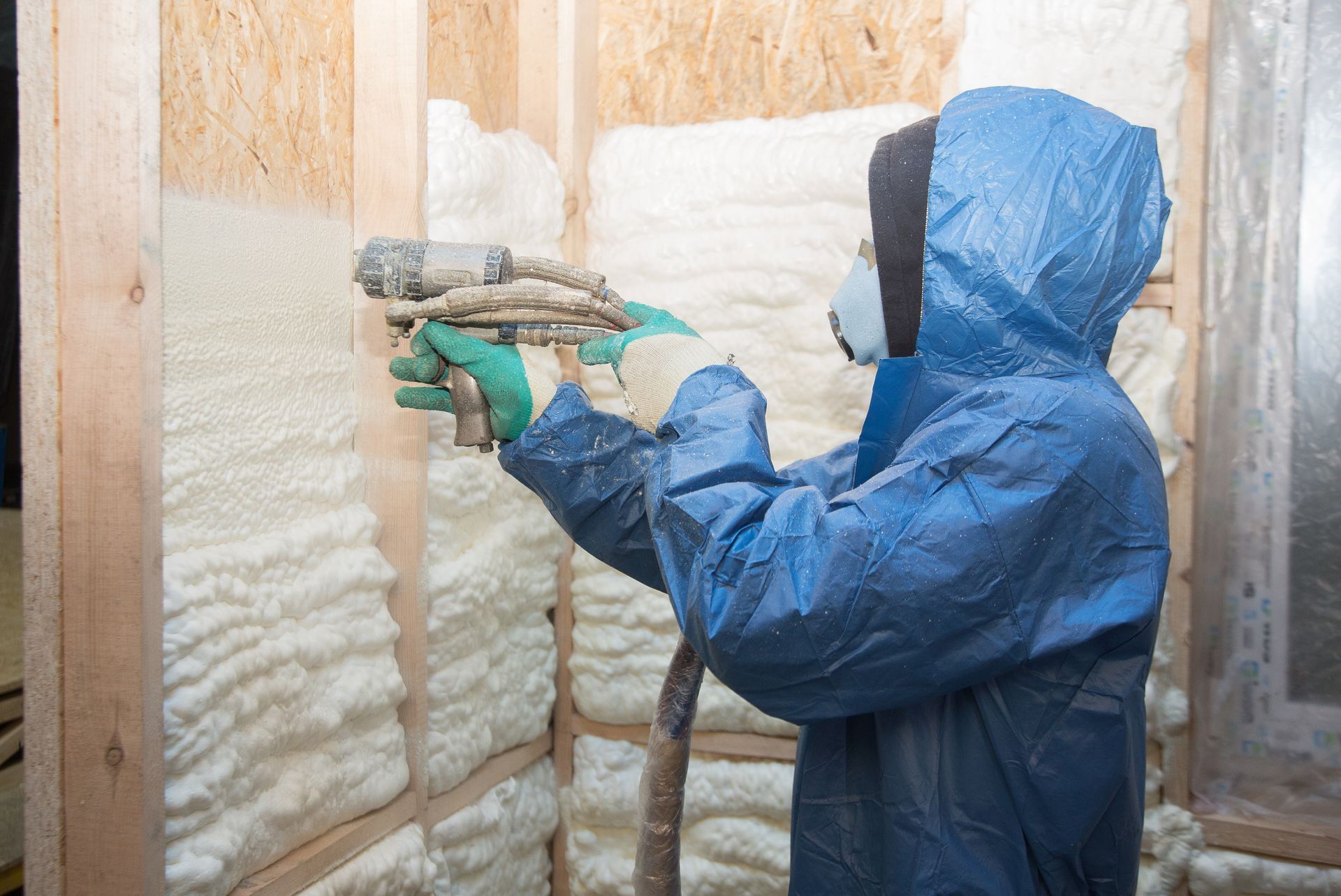
Spray foam insulation creates an airtight seal when it expands, which can significantly reduce air infiltration. It comes in two forms: open-cell and closed-cell. Closed-cell spray foam offers a higher R-value per inch and acts as a vapor barrier, while open-cell is softer, more flexible, and less expensive.
Closed-cell spray foam may be particularly well-suited for rim joists, rooflines in finished attics, and areas where moisture intrusion is a concern. Because Cleveland winters bring significant freeze-thaw activity, sealing air leaks in these vulnerable spots can make a real difference in comfort. However, the site notes that closed-cell foam is generally limited to new construction applications, which is an important distinction for homeowners in older Lakewood or West Side neighborhoods looking to retrofit their existing homes.
Key Pros and Cons at a Glance
Blown-In Insulation
- Works well in existing homes without major demolition.
- Fiberglass blown-in offers proven thermal and fire protection in Cleveland's climate.
- May settle slightly over time in cellulose applications, requiring inspection.
- Generally more accessible for retrofit projects in older Cuyahoga County housing stock.
Spray Foam Insulation
- Seals this home insulation choice as both an air and vapor barrier in a single application.
- Closed-cell foam is often limited to new construction settings.
- Open-cell foam may not provide the same moisture resistance needed in Cleveland's wet winters.
- Can be a strong choice for rim joists and hard-to-reach cavities in newer builds.
Which Type Is Right for Your Cleveland Home?
The best choice depends on your home's age, construction type, and specific problem areas. Blown-in fiberglass insulation is typically the practical choice for most existing Cleveland-area homes, particularly in older structures throughout Cuyahoga County where wall cavities are already closed and attic access is limited. It can be installed without tearing out drywall, making it far less disruptive.
Spray foam, especially closed-cell, tends to be better suited for new construction projects or specific problem spots like rim joists and band boards where air sealing is the primary goal.
A Simple Decision Framework for Homeowners
Consider blown-in home insulation if your house was built before 1980, if you have an unfinished attic, or if you want to add insulation to finished walls without a full renovation. Consider spray foam if you are building new or renovating a section of your home that is already open to the framing. When in doubt, an in-home assessment can reveal exactly where your home is losing heat and which material will close those gaps most effectively.
Cleveland's lake-effect winters and humid summers mean that insulation in Cleveland, OH, needs to perform across a wide range of temperatures and moisture levels. Selecting the right insulation material for your specific situation can be the difference between a comfortable winter and a costly one. A solution that works well in a milder climate may underperform here.
Frequently Asked Questions About Home Insulation in Cleveland
What Is the Best Insulation for Older Cleveland Homes?
Blown-in fiberglass is typically the best fit, as it installs into closed wall cavities without demolition. Learn more about home insulation installation.
Is Spray Foam Insulation Worth It in Cleveland?
Closed-cell spray foam works well for rim joists and new construction, but most existing Cleveland homes are better served by blown-in insulation.
How Much Insulation Does a Cleveland Home Need?
Northeast Ohio's climate zone recommends attic insulation up to R-49. Blown-in fiberglass can reach that level in roughly 17.5 inches.
Can I Add Insulation Without Removing Drywall?
Yes. Blown-in insulation is installed through small drilled holes, making it ideal for finished walls in older Cuyahoga County homes.
How Do I Get Started With Insulation Services?
Start your insulation services online or call 216-281-5656 to schedule a free estimate.
Get a Free Estimate From a Trusted Cleveland Insulation Contractor
The Siding & Insulation Company has served the Greater Cleveland area and Northeast Ohio since 1981, completing over 9,500 projects with no subcontracting. The team works directly with homeowners to assess their specific insulation needs and recommend the right material for their home's age, layout, and budget. Whether your home is in Parma, Lakewood, or on Cleveland's West Side, a free estimate can clarify exactly what home insulation your house needs to stay warm through a Northeast Ohio winter. Start your insulation services today, or call 216-281-5656 to speak with a team member. You can also find and review The Siding & Insulation Company on Google to learn more about their work in the Cleveland community.